FOXES THOUGHTS
Too many to cover on a simple website, but let us try. You are also most welcome to send us a message and ask some questions. All our talks, workshops and sessions are customized.
THE FOXY MIND.
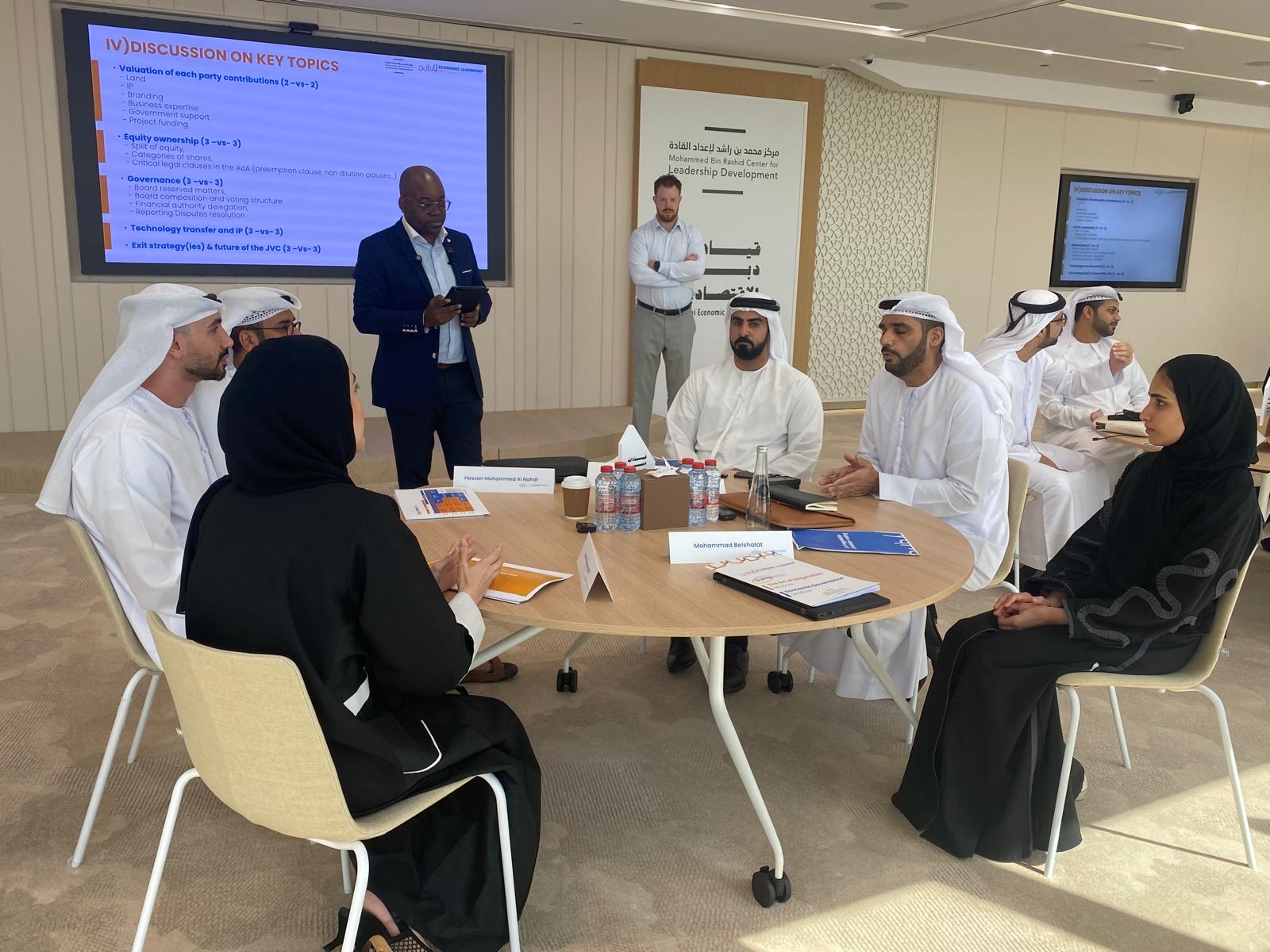
The “Mind of a Fox” Framework was developed by Chantell Ilbury and the late Clem Sunter. This methodology is a cornerstone of South African strategic thought and is now expertly presented by Mitch or Chantell. Here are four pillars of excellence to consider.
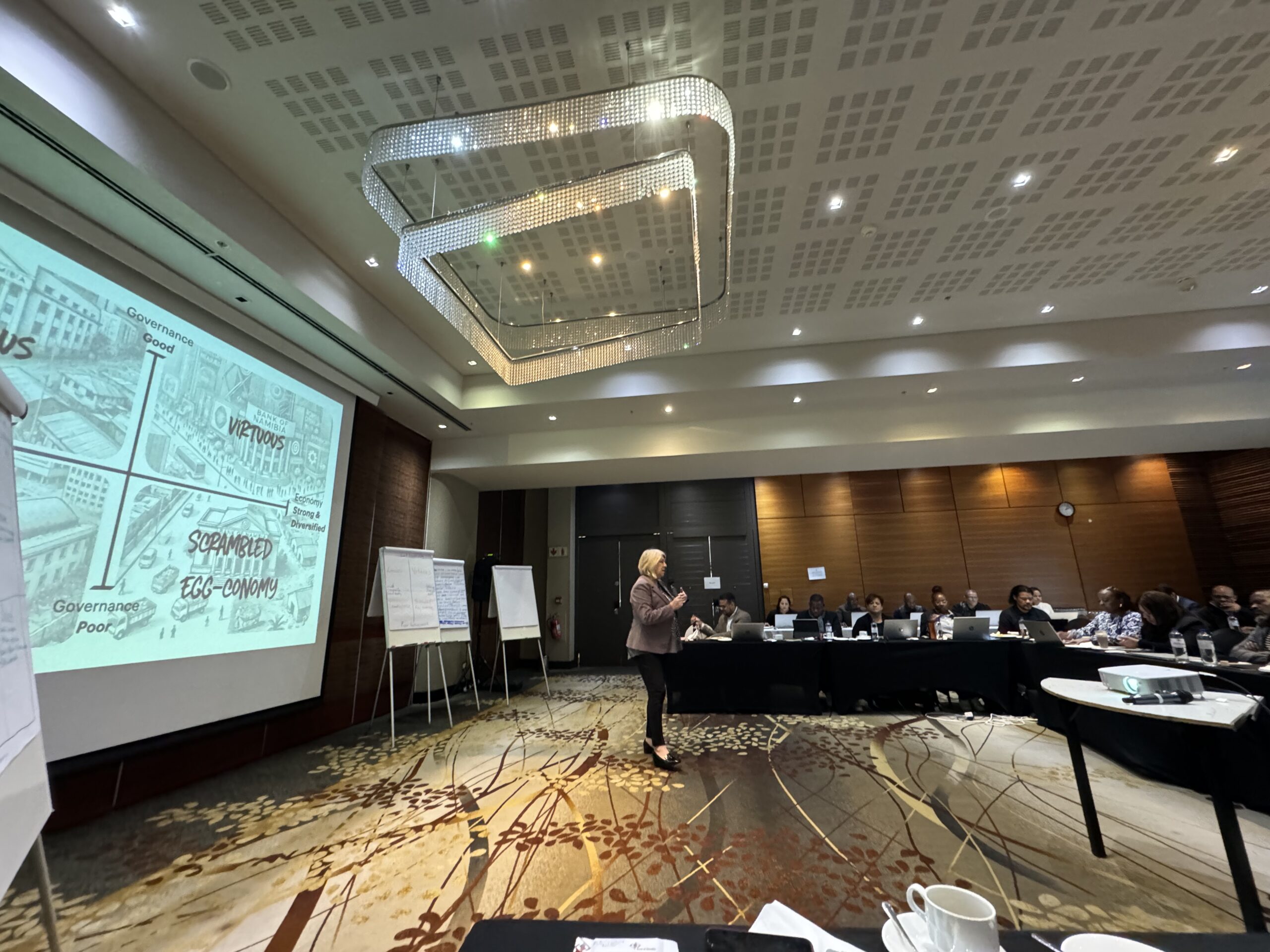
THE SOUTH AFRICAN SCENARIO MATRIX.
The Ilbury model typically uses a 2×2 matrix to plot futures based on key uncertainties.
CORPORATE SCENARIO PLANNING.
A strategic management tool used to identify future uncertainties and evaluate how multiple plausible “realities” could impact a business. Unlike traditional forecasting, which predicts a single outcome based on historical data, scenario planning assumes the future will be significantly different from the past, focusing on building agility and resilience.
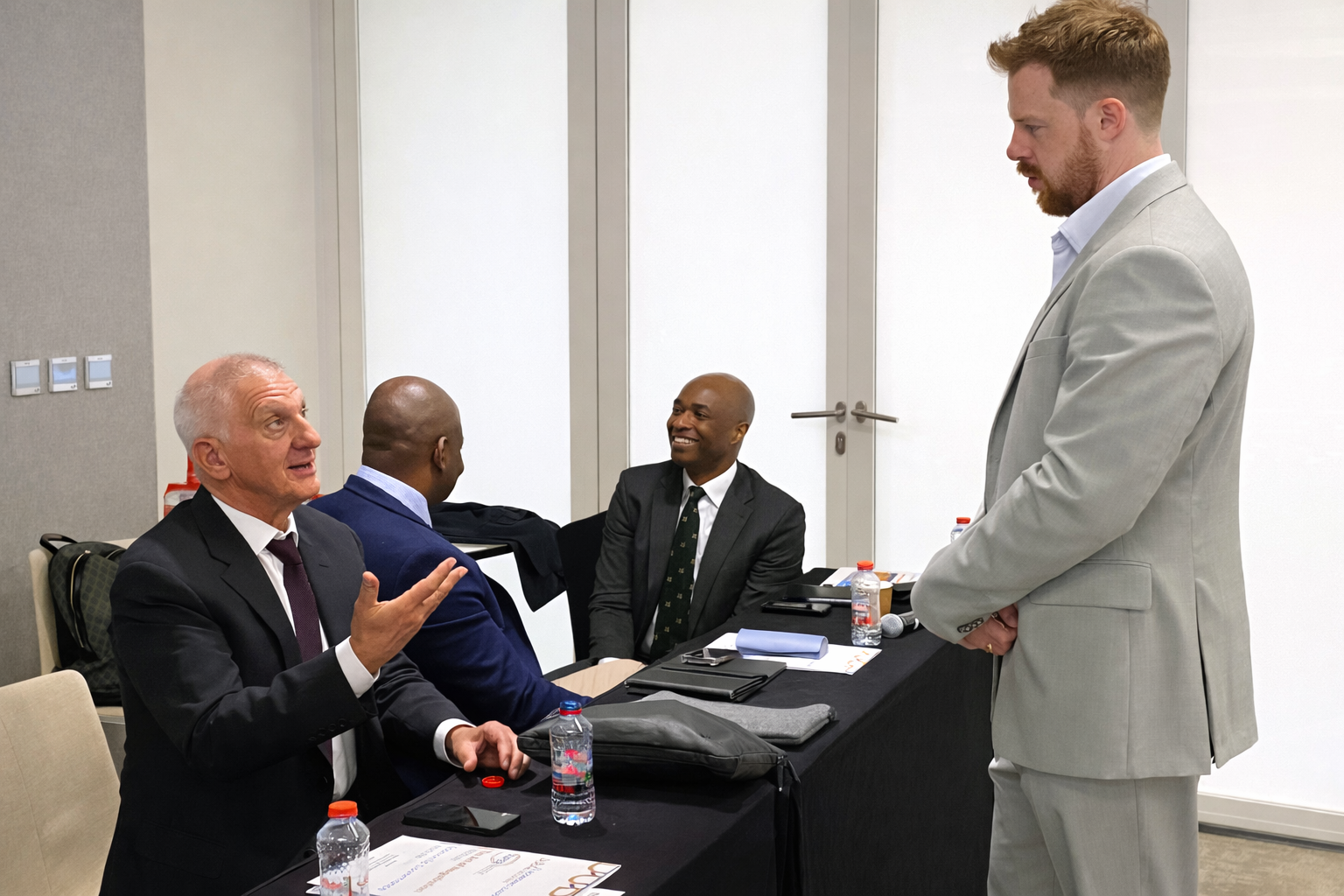
OVERVIEW OF SCENARIO TYPES.
Different types of planning address distinct business needs:

Quantitative Scenarios
Data-driven models used for financial forecasting, typically presenting best-case, worst-case, and most-likely outcomes.

Strategic Management Scenarios
Big-picture narratives focusing on external environmental shifts (geopolitical, social, or technological) rather than solely on the company itself.
Operational Scenarios
Focused on day-to-day challenges such as supply chain disruptions or labour shortages.
Normative Scenarios
Defining an ideal future “dream” state and working backward to identify the steps needed to achieve it.
Typical 5-Step Process
While various frameworks exist, most follow a structured progression:
- Define Objective and Scope: Identify the specific business problem or goal (e.g., “expanding into a new market”) and the timeframe (e.g., 2–5 years).
- Identify Key Drivers & Uncertainties: Use tools like PESTLE analysis (Political, Economic, Social, Technological, Legal, Environmental) to list factors beyond your control.
- Develop Scenario Models: Select the two most critical uncertainties to form a 2×2 matrix, resulting in four distinct future narratives.
- Analyse Impacts & Formulate Strategies: Evaluate how each scenario affects revenue, operations, and workforce, then create a response playbook for each.
- Set Signposts and Monitor: Establish early-warning indicators (flags) that signal which scenario is emerging, allowing the team to pivot before a crisis occurs.
STRATEGIC CONVERSATIONS AND FACILITATION.
The “soft” engines that drive “hard” corporate strategy.
While scenario planning provides the map, strategic conversations are the dialogues used to navigate it, and facilitation is the process that ensures the right people are talking about the right things in the right way.

Theory of Strategic Conversations
A strategic conversation is an intentional, structured dialogue designed to influence an organization’s future direction.
- Dialogue over Discussion: The core theory separates “dialogue” (exploring assumptions and creating shared meaning) from “discussion” (analyzing options and making decisions).
- Narrative Connection: It connects daily tasks to a larger organizational narrative, helping employees understand why they do what they do in a changing world.
- The “Thinking Together” Mindset: It moves away from “serial monologues” toward a collective inquiry into why things are the way they are and how they could be better.

The Role of Strategic Facilitation
Facilitation provides the "neutral" guidance necessary to ensure a strategy session achieves its goals without being derailed by office politics or groupthink.
- External Objectivity: A facilitator offers an unbiased perspective, asking “taboo” questions that internal leaders might avoid.
- Levelling the Playing Field: They ensure “psychological safety,” where every participant—from junior staff to the CEO—can speak freely without fear of judgment.
- Process Management: The facilitator manages the energy of the room, tracks time, and ensures the group reaches a clear consensus and actionable roadmap.
Key Frameworks for Facilitated Strategy
Experts like the Ilburys and Murray-Kline use specific frameworks to guide these conversations:
- The 10 Questions Model: A warm-up sequence used by the late Clem Sunter and the Ilburys to help teams define their “game” before tackling harder uncertainties.
- Dialogue-Discussion-Direction: A three-phase model where the group first builds shared meaning, then explores options, and finally commits to a course of action.
- Flags and Signposts: Identifying specific external events (e.g., policy changes, tech breakthroughs) that indicate which strategic scenario is currently unfolding.
Why Use a Professional Facilitator?
- Full Participation: It allows the CEO to be a participant rather than a moderator.
- Conflict Resolution: Facilitators act as “bridge builders” or “peacemakers,” addressing tension constructively rather than letting it shut down creativity.
- Implementation Focus: They ensure the session doesn’t end as “alignment theater” but leads to a specific Implementation Plan with assigned accountabilities.